What If Coaching Could Help You Without You Knowing It?
A lesson learned from my field experience with the RISE-Sud project
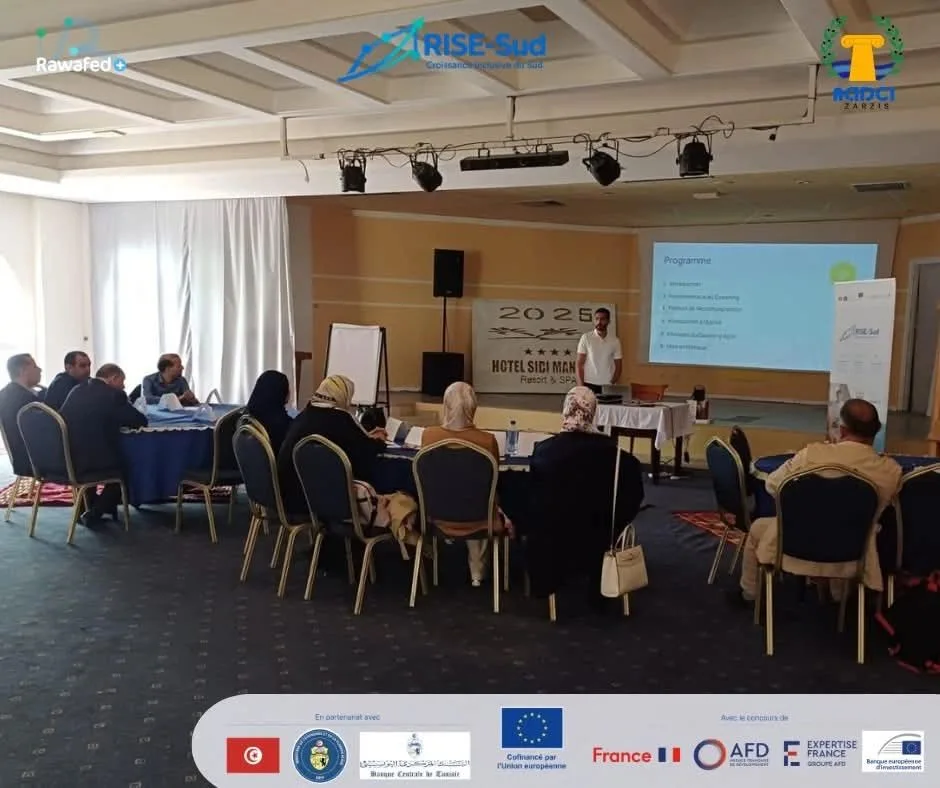
Some looks never lie.
When you walk into a room to facilitate a 3-day workshop on agility and coaching, and you read on the participants' faces:
What are we doing here? We have real projects to run; we don't have time for management theory.
It is a completely normal reaction. When you are caught up in the urgency of the field, economic challenges, and daily management, the very idea of sitting down to talk about "agility", "coaching mindset" or "system structuring" feels like an abstract luxury, or even useless jargon.
Yet, what happened during my intervention a few months ago for the RISE - Sud project, organized by the ADDCI association, illustrates the exact opposite.
Here is what those three days reminded me about the hidden power of coaching.
1. Day One Doubt: "This Is Not for Us"
At the start of an engagement, resistance is natural. Many believe that coaching is reserved for large corporations, tech startups, or executives disconnected from local realities.
You often hear:
Our problems are unique; cookie-cutter methods don't work here. We need action, not sticky notes or facilitation exercises.
And they are partly right: cookie-cutter methods never work. That is precisely why real coaching is not about imposing a theory, but about helping teams structure their own reality.
2. The Turning Point: When Common Sense Beats Jargon
As the hours go by, when we put down the pens and start tackling the real issues, how to listen to each other, how to align a team around a vision, how to remove invisible roadblocks, the atmosphere changes.
People quickly realize that agility is not a matter of software or rigid frameworks. It is simply:
- Bringing order to chaos: Learning to turn messy ideas after an intense day into clear action plans.
- Giving everyone a voice: Creating a safe space where everyone dares to speak up and take initiative.
3. The Final Satisfaction: "Why Didn't We Do This Sooner?"
By the end of the third day, the energy in the room has nothing in common with the first morning.
The participants, whether they come from entrepreneurship support organizations or are project leaders, leave with concrete tools, a clarified vision, and above all, the feeling of having regained control over their organization. The smiles and end-of-session feedback are the best proof that coaching, when grounded in reality, meets a deep need.
Final Thoughts
If you think today that coaching or agility is of no use to your organization or your team, ask yourself this question:
What if the real problem wasn't the method, but the way it was presented to you?
Sometimes, all it takes is a few days, plenty of listening, and a few simple tools to turn doubt into lasting momentum.